Source Tea Table Options for Offices, Living Rooms, and Hotels
Explore 30 tea table listings from verified suppliers offering modern designs in wood and metal. Buyers can compare dimensions, customization options, and MOQs for offices, living rooms, and leisure spaces to find the right fit.
Key considerations
Products List


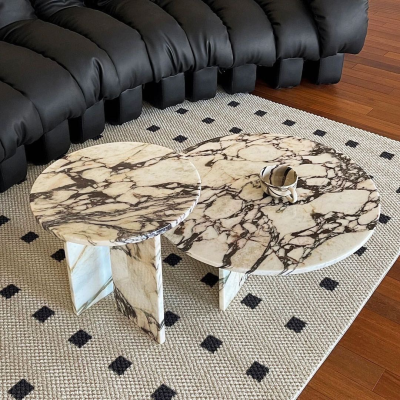


Comprehensive Sourcing Guide
Strategic Sourcing Guide for Tea Tables in the Global B2B Market
Understanding Product Definitions and Core Specifications
In the context of B2B procurement, the term "tea table" often encompasses a broader spectrum of furniture than the casual consumer might assume. It includes coffee desks, office tables, and wooden tables designed for leisure spaces, living rooms, and even hotel environments. When sourcing these items, buyers must first distinguish between the specific functional definitions provided by manufacturers. The market data indicates a clear segmentation where tea tables are categorized under leisure spaces, living rooms, and hotel usage, but also appear in contexts labeled as office furniture or school furniture. This overlap requires precise specification management to ensure the purchased units align with the intended application.
The technical specifications for these units vary significantly based on the model and material composition. For instance, specific models such as AR-T043 are defined by a standard dimension of 606050cm, while others like cj6 are listed with dimensions of 18.519.5 inches. In contrast, circular or specialized designs may be described by diameter and height, such as the standard of Dia40/5045-50cm found in certain listings. It is critical for buyers to note that while some models offer customizable dimensions, others adhere to fixed standards like 554035cm. The material composition is another primary differentiator; while many tea tables are constructed from wood or wooden materials, specific models like AR-T043 are explicitly identified as metal. This distinction is vital for durability assessments and aesthetic matching within a procurement plan.
Material Composition and Structural Integrity
The material selection for tea tables is a primary driver of both cost and longevity. The supplied facts highlight a strong prevalence of wood-based products, with attributes explicitly listing "Wood" and "Wooden" as the primary materials. These wooden units often feature a "Panel" wood style, which suggests a specific construction method involving engineered wood or solid paneling. The customization options available for these wooden units often point toward MFC (Melamine Faced Chipboard) as a specific material specification, offering a balance between cost-efficiency and aesthetic versatility.
However, the market also presents metal options, as evidenced by the AR-T043 model. Metal tea tables typically offer different structural advantages, such as higher load-bearing capacity and resistance to moisture, which may be preferable for high-traffic commercial environments like hotels or bars. When evaluating the structural integrity of a tea table, buyers should verify the specific material grade. For wooden units, the finish and the type of paneling (e.g., MFC) determine the resistance to scratches and wear. For metal units, the gauge and coating quality are essential. The observed "High Quality" advantage in some listings suggests that manufacturers are focusing on premium finishes, but buyers must verify these claims through sample inspection rather than relying solely on marketing attributes.
Compliance, Certification, and Safety Standards
In the B2B sector, compliance with safety and quality standards is non-negotiable, particularly for furniture intended for public or commercial use. While the provided data does not list specific third-party certifications (such as FSC or BIFMA), it does reference specific product standards regarding dimensions and origin. For example, models like FL-003 and FL-014 have defined standard dimensions of 1200600400H and 600600400H respectively. These dimensions often correlate with ergonomic standards or modular furniture systems used in office and school environments.
Buyers must verify that the tea tables meet the fire safety and formaldehyde emission standards required by their target market. Although the text mentions "New" condition and "High Quality," it does not explicitly confirm compliance with international safety protocols. Therefore, a critical step in the sourcing process is to request test reports regarding flammability, structural stability, and chemical emissions. The origin of the products, listed as Shanghai, China, or Fujian, China, indicates that the manufacturing hubs are in regions with established export infrastructure, but local regulations may differ from those in the destination country. Buyers should ensure that the supplier can provide documentation proving that the MFC or wooden panels used meet the specific regulatory limits of the importing region.
Cost Drivers and Pricing Dynamics
The pricing of tea tables in the B2B market is influenced by a complex interplay of materials, customization, and order volume. The observed price range for these products spans from $12.5 to $1500 USD, a significant variance that reflects the diversity of the product category. The lower end of this spectrum likely corresponds to basic metal or simple wooden units with standard dimensions and minimal customization. Conversely, the higher price points are associated with custom designs, premium materials, or specialized features such as advanced office efficiency enhancements.
A major cost driver is the level of customization. The data confirms that "Customization" is available and that specific specifications like MFC can be tailored. Customization typically incurs additional tooling costs and longer lead times, which are factored into the final price. Additionally, the Minimum Order Quantity (MOQ) plays a crucial role in unit pricing. The observed MOQ range is between 1 and 200 units, with specific models like AR-T023 and AR-T043 requiring a minimum of 30 sets or 30 pieces. Buyers with smaller volume requirements may face higher per-unit costs due to the fixed overheads of production runs. Conversely, larger orders may benefit from economies of scale, though the specific discount structures are not detailed in the provided facts.
Supplier Evaluation and Operational Capabilities
Selecting the right supplier requires a thorough evaluation of their operational capabilities, including production capacity, logistics, and packaging standards. The sourcing data indicates that suppliers are located in key manufacturing hubs such as Shanghai and Fujian, China. These regions are known for their robust furniture manufacturing ecosystems. When evaluating a potential supplier, buyers should assess their packaging methods to ensure the safety of the goods during transit. The observed packing standards include "Seaworthy Carton Packing," "Foam, Carton," and "Standard Export Carton Packing," with specific configurations like "1PC/CTN" or "1set/2ctns."
The delivery time is another critical operational metric. The data specifies a delivery window of 15-30 days for certain models. Buyers must verify if this lead time is consistent across all product lines or if it varies based on the level of customization requested. Furthermore, the "Our Advantage" attribute, which mentions "Low MOQ," suggests that some suppliers are flexible with order sizes, making them suitable for startups or businesses testing new product lines. However, buyers should not assume that all suppliers offer low MOQs; the range of 1 to 200 indicates significant variation. A reliable supplier should provide clear communication regarding production schedules, quality control processes, and the ability to handle the specific packaging requirements of the buyer's logistics partners.
Quality Control and Long-Term Procurement Strategy
Implementing a robust quality control (QC) strategy is essential for maintaining product consistency in tea table procurement. Given the variation in materials from wood to metal, QC protocols must be tailored to the specific product type. For wooden tables, inspection should focus on surface finish, joint stability, and the absence of warping or defects in the paneling. For metal tables, attention should be paid to weld quality, coating uniformity, and structural rigidity. The "New" condition attribute implies that products are manufactured to current standards, but buyers should still conduct pre-shipment inspections to verify that the physical goods match the provided specifications, such as the 606050cm dimensions or the Dia40/50*45-50cm measurements.
Long-term procurement considerations involve building a sustainable supply chain that can adapt to changing market demands. The availability of customization allows buyers to differentiate their offerings, but it also introduces complexity in managing inventory and production schedules. Buyers should establish clear communication channels with suppliers to ensure that design changes or material substitutions are handled efficiently. Additionally, the "Improve Office Efficiency" attribute suggests that some tea tables are designed with functional enhancements that can reduce long-term operational costs for clients. By focusing on high-quality, durable products that meet specific ergonomic and aesthetic standards, buyers can secure a competitive advantage in the market.
Application Scenarios and Market Fit
The versatility of tea tables allows them to serve a wide range of applications, from residential living rooms to commercial office spaces. The data highlights usage in "Living Room, Bar, Hotel, Bedroom," as well as "School Furniture" and "Office Furniture." This broad applicability means that buyers must carefully align their product selection with the specific needs of their target customers. For instance, tea tables intended for schools may require higher durability and safety features, while those for leisure spaces might prioritize aesthetic design and comfort.
The following table summarizes the key application areas and their corresponding product attributes based on the available data:
| Application Area | Key Product Attributes | Typical Material | Standard Dimensions (Examples) |
|---|---|---|---|
| Living Room / Leisure | Coffee Desk, Modern Style | Wood, Metal | 606050cm, Dia40/50*45-50cm |
| Office / School | Office Table, Improve Efficiency | Wood (MFC), Panel | 1200600400H, 600600400H |
| Hotel / Bar | High Quality, Low MOQ | Metal, Wood | 18.519.5inch, 5540*35cm |
| Custom Projects | Customized Specificatition | Wood, Metal | Customizable |
Understanding these distinctions helps buyers avoid the common pitfall of sourcing generic products for specialized environments. By matching the product attributes to the intended use case, buyers can ensure higher customer satisfaction and reduce the risk of returns or complaints. The ability to customize specifications further enhances the fit for unique project requirements, allowing for a more tailored approach to procurement.
Conclusion
Sourcing tea tables in the B2B market requires a meticulous approach that balances technical specifications, material quality, and operational logistics. The wide range of available products, from basic wooden panels to specialized metal designs, offers significant opportunities for buyers to find solutions that meet diverse needs. However, the variability in pricing, MOQ, and lead times necessitates careful supplier evaluation and rigorous quality control. By focusing on verified attributes such as material composition, standard dimensions, and packaging methods, buyers can build a reliable supply chain that delivers high-quality products to their clients. The strategic alignment of product features with specific application scenarios ensures that the procurement process adds value and supports long-term business growth.
FAQs
What materials are used for tea tables?
Tea tables are primarily constructed from wood or metal. Specific models use wooden panel styles like MFC, while others feature metal frames. Buyers should verify the material grade for durability and aesthetic matching in their specific environment.
Can tea tables be customized for specific needs?
Yes, customization is available for many tea table models. Specific specifications such as MFC or dimensions can be tailored to project requirements. Buyers must note that customization may impact lead times and unit pricing significantly.
What are the standard dimensions for tea tables?
Standard dimensions vary by model, ranging from 60*60*50cm to 1200*600*400H. Some circular designs use diameter measurements like Dia40/50*45-50cm. Buyers must check specific model numbers to confirm exact size requirements for their space.
How long is the delivery time for orders?
Delivery times typically range from 15 to 30 days for certain models. This window may vary based on the level of customization requested and current production schedules. Buyers should confirm lead times with suppliers before finalizing orders.
What is the minimum order quantity for tea tables?
Minimum order quantities range from 1 to 200 units depending on the supplier and model. Specific items like AR-T023 require a minimum of 30 sets. Lower MOQs are available from some vendors to support smaller business needs.
Where are tea table manufacturers located?
Manufacturers are located in key hubs such as Shanghai and Fujian, China. These regions offer established export infrastructure for furniture production. Buyers should verify the specific origin of their chosen products to ensure compliance with local and international standards.
What packaging methods are used for shipping?
Products are shipped using seaworthy carton packing, foam, or standard export cartons. Configurations vary, such as 1PC per carton or 1 set per 2 cartons. Proper packaging ensures safety during transit and protects the furniture from damage.